whistleblowing & Sexual harassment protected disclosures from April 2026
Whistleblowing & Sexual Harassment: What UK SMEs Need to Know for April 2026
Most SME employers already take sexual harassment seriously. The change coming in April 2026 isn’t really about your values — it’s about how the law may treat the report, and what that means for risk if managers get the handling wrong afterwards.
From 6 April 2026, disclosures about sexual harassment are expected to be expressly covered by whistleblowing protections. In practical terms, a worker who raises a concern may have protection against detriment (being treated worse because they spoke up) and, for employees, protection linked to dismissal where speaking up is the reason.
Why does Whistleblowing & Sexual Harassment matters for SMEs ?
Whistleblowing risk often doesn’t come from the first conversation. It tends to appear later — in the weeks that follow — when the business is trying to keep things moving while also dealing with a sensitive issue.
That’s the “in-between” period where perfectly normal management decisions can later be presented as retaliation. Even if the business believes it’s acting reasonably, the individual may experience changes as punishment for speaking up. Once that allegation is made, your written record — and your rationale at the time — becomes crucial.
What does sexual harassment look like in the real workplaces ?
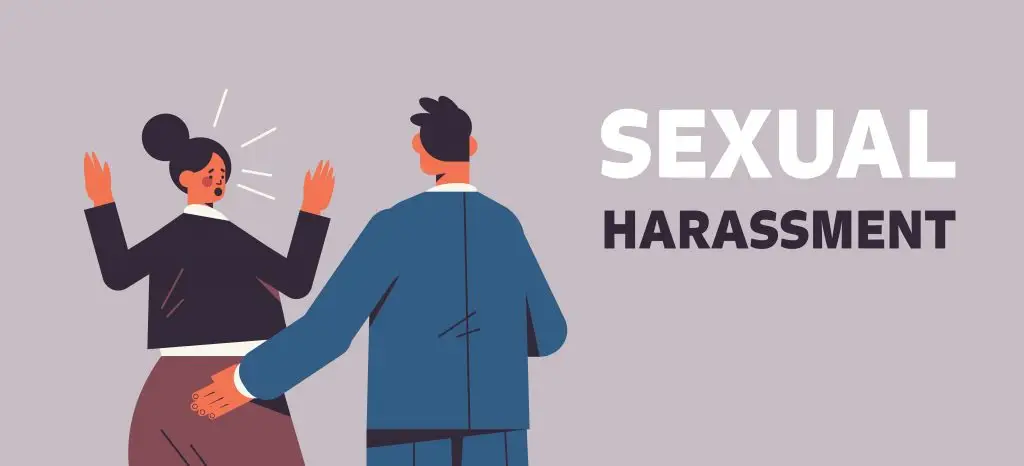
It’s helpful for managers to understand that sexual harassment isn’t only the most extreme behaviour. It can sit on a spectrum, and a lot of risk in SMEs comes from issues being dismissed as “banter”, “a bit of flirting”, or “they didn’t mean anything by it”.
Here are examples you may see in everyday working life, from lower-level (but still potentially harassment) through to more serious conduct:
At the “banter” end, it can include sexual jokes, comments or innuendo, “lads chat” or group humour that singles someone out, remarks about someone’s body or appearance, sexualised nicknames, rating colleagues, or sharing sexual memes/images in work chats. It’s still harassment if it’s unwanted and it has the effect of making someone feel uncomfortable, humiliated, intimidated or undermined — even if the person saying it claims they were “only joking”.
Moving up the scale, it can include unwanted flirting that doesn’t stop when someone shows they’re not interested, repeated “harmless” comments, or asking for someone’s number/date in a way that becomes persistent or pressurised (especially where there’s a power imbalance, for example a manager asking a junior employee). It can also include sending messages outside work that feel intrusive, suggestive, or difficult to refuse.
More serious examples include inappropriate physical contact (touching, hugging, brushing against someone, blocking their way, standing too close), sexual comments directed at a person, or targeting someone because of their sex or perceived sexuality. It also includes online behaviour: sexualised messages, requesting explicit images, or circulating images or rumours about someone.
At the most severe end are situations involving coercion, threats, or “quid pro quo” behaviour (for example implying shifts, opportunities, promotion, training, or job security are linked to tolerating sexual attention). Sexual assault is, of course, at the extreme end of this spectrum.
The key message for managers is simple: calling it “banter” doesn’t neutralise it. The focus is whether the behaviour is unwanted and the impact it has in the workplace.
A quick refresher: what whistleblowing protection covers
Whistleblowing protections are designed to stop workers being penalised for raising wrongdoing. The law focuses on two main risks:
- Detriment — any disadvantage or negative treatment linked to speaking up
- Dismissal — for employees, where the disclosure is the reason for the dismissal
Detriment can be subtle. It’s not only about being dismissed. It can include being excluded, losing opportunities, being given worse shifts, or suddenly being treated as a problem.
Does every harassment complaint automatically become “whistleblowing”?
Not automatically. Whistleblowing claims still depend on legal tests, including what the worker reasonably believes and whether the concern is in the public interest.
But for SME employers, the practical point is this: you do not want managers trying to make legal judgments in the moment about whether something “counts”. The safest approach is to assume the protections might apply and respond in a careful, consistent way.
Whistleblowing & Sexual harassment : What good looks like in 2026
This change doesn’t mean you need to create a mountain of new paperwork. It does mean you should tighten the way concerns are received, assessed and recorded.
Good handling usually involves acknowledging the concern promptly and neutrally, deciding early what route the issue will follow (investigation, grievance, whistleblowing process), being clear about interim steps (and keeping them neutral and time-limited), and documenting the reason for any changes so they can’t later be reframed as retaliation.
What SMEs should do now and how KeyHR can support you
The key message for 2026 is simple: good intentions aren’t enough on their own. You need a clear, consistent process that you can evidence later if the situation escalates.
That’s where KeyHR helps. We take the pressure off owners and managers by providing a practical framework that keeps things moving lawfully and fairly, without creating unnecessary risk. In plain terms, we support you to:
- handle the first report properly (so the right information is captured and the right next steps are agreed)
- decide the correct route quickly — whether that’s whistleblowing, grievance, or a formal investigation — so nothing drifts or is dealt with inconsistently
- coach managers on what to say and what not to say, especially during the sensitive “in-between” period when mistakes are most likely
- document decisions clearly (for example rota changes, reporting line adjustments, temporary measures) so they can’t later be portrayed as retaliation
- keep you legally compliant while saving you time and management headspace, with templates, scripts, and step-by-step guidance tailored to your business
The aim is to protect your people and your culture, while also protecting your business — reducing the risk of claims, avoiding costly missteps, and helping you resolve issues efficiently and confidently.
You May Also Like
Outsourced HR Service
Expert HR advice and support whenever you need it with no additional costs
- Unlimited expert HR advice
- Bespoke employee policies
- Bespoke employee handbooks
- Custom contracts of employment
- A dedicated HR consultant
- Fixed affordable monthly fee
- 100% legal compliance guaranteed
FRee HR Video guides for SME's
Free advice & HR guide Videos for SME employers
Visit our YouTube channel for over 120 advice and guidance videos for small and medium sized employers
